When a tooth cracks unexpectedly or an old filling finally fails, many patients start searching for an emergency dentist in Concourse and Highland Row who can repair the damage quickly rather than waiting weeks for an appointment. At Crosstown Dental Group, dental crowns are one of the most reliable ways we rebuild a tooth that is too compromised for a simple filling but still worth saving. As a core part of our Restorative Dentistry program, crowns let us preserve your natural tooth root and structure instead of moving straight to extraction.
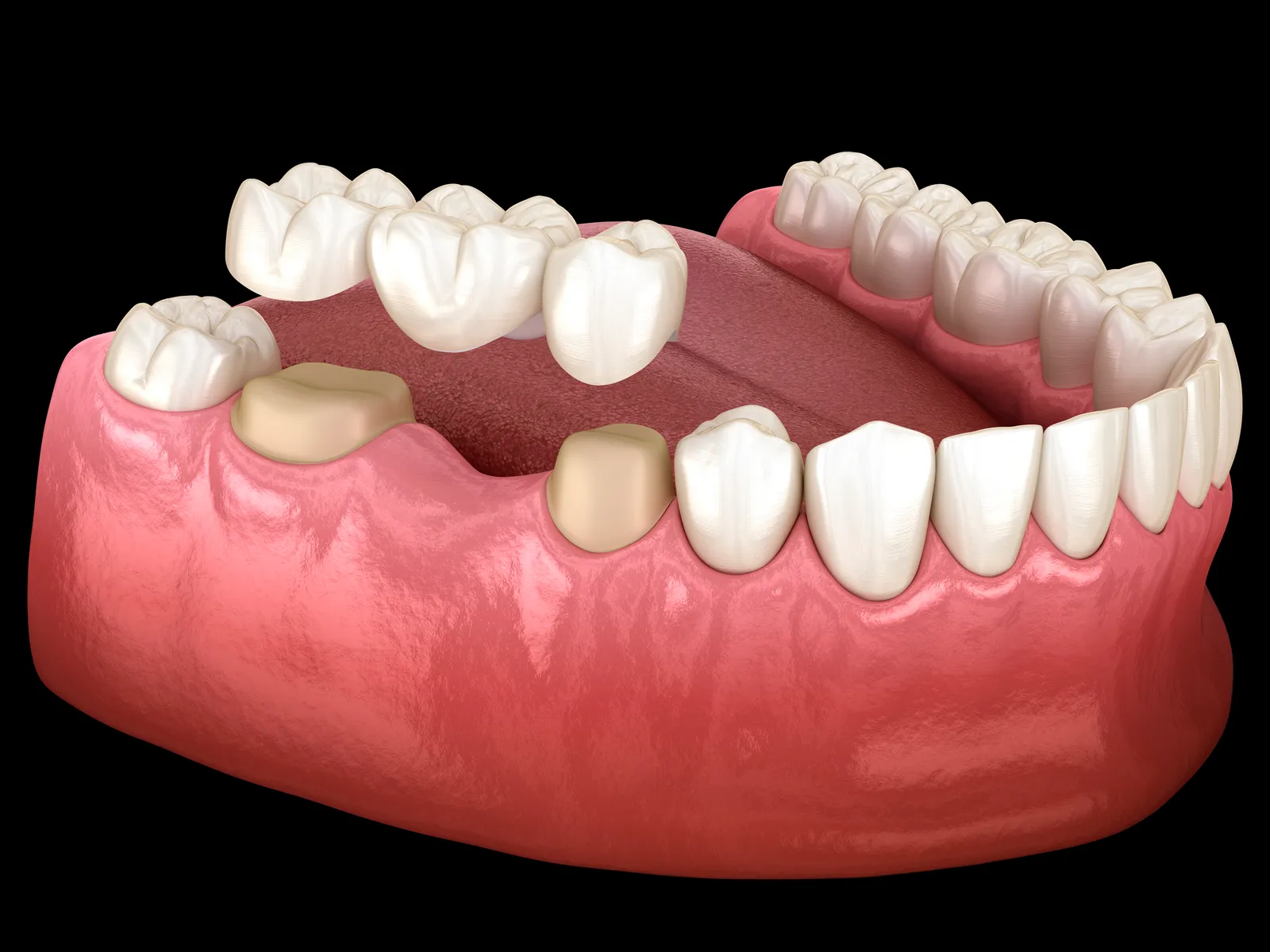
A dental crown is a custom-fabricated cap that fits over the entire visible portion of a tooth, above the gumline. It takes over the job your natural enamel used to do: absorbing bite force, protecting the inner tooth from bacteria, and giving you back a tooth you can chew with confidently. We design every crown to match the shape, shade, and bite pattern of your surrounding teeth, so the final result looks and feels like it belongs in your mouth, not like a dental repair.
Most patients do not wake up knowing they need a crown; instead, they notice a cluster of smaller problems that add up over time. During your exam, our dentists check for the specific warning signs below, and we will walk you through exactly why a crown is (or is not) the right call for your situation before any work begins.
Dental crowns work for a broader range of patients than most people expect, from a teenager with a sports injury to a retiree whose fillings are decades old. The real question is not your age but the condition of the tooth underneath and your overall oral health. During a consultation, we evaluate the remaining tooth structure, gum health, and bite alignment to confirm a crown is the right long-term solution rather than a temporary fix.
We also consider your goals. Some patients need a crown purely for function and durability, while others are also looking to improve how a tooth looks within their smile. Either way, a short evaluation with digital X-rays and a visual exam gives us everything we need to recommend the right path forward.
Not every tooth needs the same crown. A molar that absorbs heavy chewing force has different requirements than a front tooth where appearance matters most. We stock and work with several crown materials so each recommendation is based on the specific tooth, your bite, and your budget, rather than a one-size-fits-all default.
We will walk through the pros, cost, and expected lifespan of each option during your visit so you can make an informed decision rather than guessing between unfamiliar material names.
A well-made crown does more than cover up a damaged tooth. It restores the tooth's role in your bite, keeps bacteria out of vulnerable areas, and, in many cases, improves how your smile looks overall. Patients are often surprised at how much a single crowned tooth can affect comfortable chewing, speech clarity, and confidence in everyday conversations.
A crown is durable, but it still benefits from the same habits that protect your natural teeth. Most of the care involved is simple daily maintenance rather than anything unusual, and we will review your specific home-care plan at your fitting appointment so nothing is left to guesswork.
We take digital X-rays and examine the tooth closely to confirm a crown is the right treatment, rule out infection, and determine whether a root canal is needed first.
The tooth is numbed and gently reshaped to make room for the crown, removing any decayed or damaged material in the process.
We capture a precise digital scan (or traditional impression) of the prepared tooth and bite, which becomes the blueprint for your custom-fitted crown.
While your permanent crown is fabricated at a dental lab (or milled same-day for eligible cases), a temporary crown protects the tooth and keeps you comfortable.
When your crown arrives, we check the fit, contact points with adjacent teeth, and bite alignment, and confirm the color blends naturally with your surrounding teeth.
Once everything fits correctly, we bond the crown permanently in place, polish the margins, and give you full aftercare guidance before you leave.
Choosing where to get a crown matters as much as choosing to get one at all. Fit, bite alignment, and material quality determine whether a crown lasts five years or fifteen, and that level of precision depends on the team and technology behind it.
A traditional crown usually requires two visits: one for preparation and impressions, and a second two to three weeks later to place the permanent crown once it returns from the dental lab. If you qualify for our same-day CEREC crown service, the entire process can be completed in a single appointment.
No. We numb the tooth and surrounding gum tissue before any preparation, so the procedure itself is comfortable. Mild sensitivity to temperature or pressure for a few days afterward is normal and typically resolves on its own as the tooth adjusts.
Cost depends on the material chosen, the tooth's location, and whether additional treatment like a root canal is needed first. We provide a full written estimate after your exam and work with most dental insurance plans to help clarify your out-of-pocket cost before treatment begins.
It's uncommon with a properly fitted crown, but it can happen, especially with hard foods, grinding, or an aging cement bond. If your crown ever feels loose, chips, or falls off entirely, call our office right away, as we treat these as urgent cases and will get you in quickly to protect the tooth underneath.
A veneer only covers the front surface of a tooth and is used mainly for cosmetic changes on healthy teeth, while a crown covers the entire tooth above the gumline and is designed to restore strength and function to a tooth that is structurally damaged or decayed.
Not always. A crown is often placed without a root canal when the tooth's nerve is healthy. We only recommend root canal therapy first if X-rays or symptoms indicate infection or nerve damage, and we'll explain our reasoning clearly before moving forward with either option.
Crosstown Dental Group
Comprehensive, comfortable dental care for every member of your family — schedule your appointment at Crosstown Dental Group today.

