A practical, step-by-step look at the braces journey, from your first fitting to the day your retainer takes over.
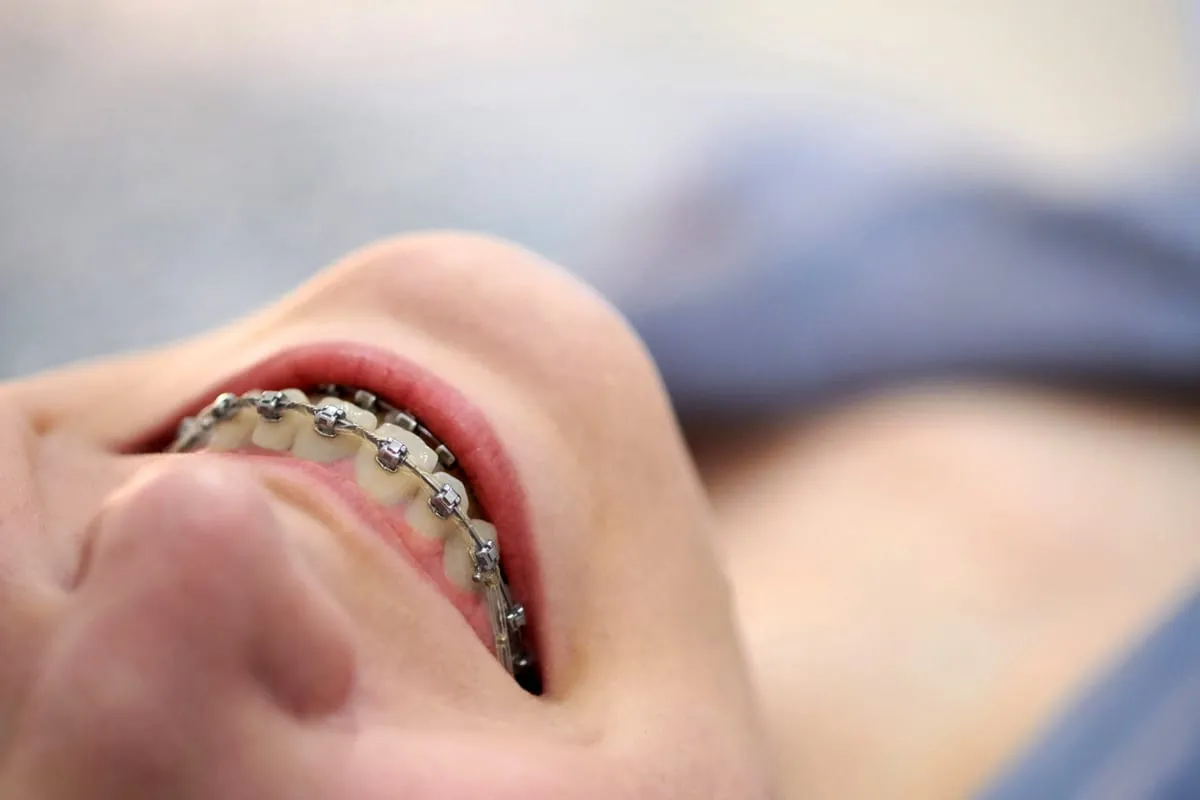
Getting braces is one of those milestones that sounds simple until you're the one sitting in the chair wondering what actually happens next. Will it hurt? How long will you be wearing them? Can you still eat pizza? These are fair questions, and they deserve real answers instead of vague reassurances.
At Crosstown Dental Group, we see patients of every age walk through our doors in Memphis with the same mix of curiosity and nerves before starting orthodontic treatment. Traditional braces remain one of the most dependable, predictable ways to correct crowding, gaps, bite problems, and alignment issues, and understanding the process from start to finish makes the whole experience far less intimidating.
This article walks through what actually happens at each stage of braces treatment, what day-to-day life looks like with them on, and how to get the most out of your results once they come off. Whether you're a parent researching for your child or an adult considering braces for yourself, you'll leave with a realistic picture of what lies ahead.
Before any brackets touch your teeth, we spend time understanding your bite, your alignment, and what you actually want out of treatment. This usually starts with a full exam, digital X-rays, and sometimes photographs or impressions of your teeth. We're looking at crowding, spacing, how your upper and lower teeth meet, and whether jaw alignment is part of the picture.
This is also when we talk through timeline and cost, and answer the questions most patients haven't thought to ask yet, like how braces might affect speech temporarily or what happens if a wisdom tooth needs attention during treatment. If you're also dealing with cavities, gum concerns, or need a cleaning, we'll usually recommend handling those first through general dentistry so your mouth is in good shape before brackets go on.
For patients who are considering orthodontics as adults, this consultation also covers whether adult orthodontics timelines or considerations differ from what a teenager might experience. In most cases, the biology of tooth movement works the same way regardless of age, though adult bone density can sometimes mean slightly more patience is needed.
Placement day is painless, though it does take a while, usually between 45 minutes and two hours depending on your case. Your teeth are cleaned and dried, a bonding agent is applied, and each bracket is attached individually before a thin archwire is threaded through and secured with small elastic bands or ties.
You won't feel pain during the actual process, but most people notice soreness or pressure starting a few hours later as the teeth begin responding to the new force. This is completely normal and typically peaks within the first two to three days before easing off.
The biggest day-to-day change with traditional braces is diet. Sticky candy, hard nuts, popcorn, and chewy bread can bend wires or pop off brackets, which means extra visits to fix what's broken. Most patients settle into a routine fairly quickly, swapping crunchy apples for sliced pieces and corn on the cob for corn cut off the cob.
Oral hygiene also takes a bit more effort. Food particles can get trapped around brackets and under wires, so brushing after meals and using floss threaders or a water flosser becomes part of the daily routine. Skipping this step is one of the main reasons patients develop white spot decalcification marks around brackets, which is avoidable with consistent care.
We also recommend keeping up with regular dental cleanings and exams throughout treatment. Our hygienists know how to clean thoroughly around orthodontic hardware, and these visits give us a chance to catch any hygiene gaps early, well before they turn into bigger problems.
Roughly every four to eight weeks, you'll come in for an adjustment visit. These appointments are shorter than your initial placement, usually 15 to 30 minutes, and involve tightening or replacing wires, swapping out elastic ties, and checking how your bite and alignment are progressing against the treatment plan.
Some patients also wear rubber bands between the upper and lower arches during certain phases of treatment to correct bite issues like overbites or underbites. These require consistent daily wear to work, and skipping them can meaningfully slow down your progress or extend the overall timeline.
It's worth mentioning that every adjustment brings a day or two of renewed soreness, similar to the initial placement but usually milder. This is a sign the braces are actively doing their job, gradually guiding teeth into their corrected positions.
Treatment length varies widely based on the complexity of your case. Mild crowding or spacing might take as little as 12 to 18 months, while more significant bite corrections can run 24 to 30 months or longer. Age, how well you follow care instructions, and whether you need rubber bands or other appliances all factor into the final timeline.
One thing patients sometimes don't expect is that treatment can occasionally run a bit longer than the original estimate if teeth respond more slowly than projected, or if there are missed appointments along the way. We track progress at every visit and will let you know early if the timeline needs adjusting, rather than surprising you near the finish line.
If you're weighing traditional braces against other straightening options, it's worth discussing alternatives like clear braces or clear aligners during your consultation. Traditional metal braces tend to work faster for complex cases and don't rely on patient compliance the way removable aligners do, which is one reason many orthodontics patients in Memphis still choose them.
The day your braces come off is genuinely exciting, but it isn't quite the finish line. Your teeth have been held in a new position by constant force for months or years, and without support, they can start drifting back toward their original spots. That's where a retainer comes in, and wearing it as directed is just as important as everything that came before it.
Most patients wear a retainer full-time for the first several months, then shift to nighttime wear long-term. Some retainers are removable, while others are thin wires bonded behind the front teeth. We'll fit you for whichever option fits your lifestyle and treatment needs best, and we'll check the fit at your follow-up visits.
Once your teeth are aligned, it's also a great time to think about polishing your overall smile. Many patients at this stage ask about teeth whitening to brighten teeth that may have gone a bit duller behind brackets, or explore broader cosmetic dentistry options once alignment is complete.
Placement itself is painless. Soreness typically develops a few hours later and peaks around day two or three, then fades until your next adjustment. Over-the-counter pain relievers and soft foods usually manage this discomfort well.
Adults get braces regularly, and the treatment process works the same way at any age. The main difference is that adult bone can sometimes shift a bit more slowly, which may add some time to the overall plan.
Adjustment visits are usually scheduled every four to eight weeks throughout treatment. We'll also recommend keeping up with your routine cleanings during this time to protect your teeth and gums.
Sticky candies, popcorn, hard nuts, ice, and chewy bread are the biggest culprits for breaking brackets or bending wires. Cutting firmer foods like apples and raw carrots into smaller pieces also helps protect your hardware.
Most patients wear retainers nightly on a long-term basis to prevent teeth from gradually shifting back. Skipping retainer wear is the most common reason results don't last, so it's a habit worth keeping.
Traditional braces have been correcting smiles for decades because they work reliably, even for complex bite and alignment issues that other treatments struggle to address. Knowing what to expect at each stage, from the first consultation through retainer wear, takes a lot of the guesswork and anxiety out of the process.
If you or your child are considering braces, our team at Crosstown Dental Group is happy to walk through your specific case, answer your questions honestly, and build a timeline that fits your life. A clearer picture of the journey ahead is often the first step toward a smile you'll be glad you invested in.
Interested in the topics discussed in this guide? Explore our specialized treatments and services.
 Service
Crosstown Dental Group
Comprehensive, comfortable dental care for every member of your family — schedule your appointment at Crosstown Dental Group today.